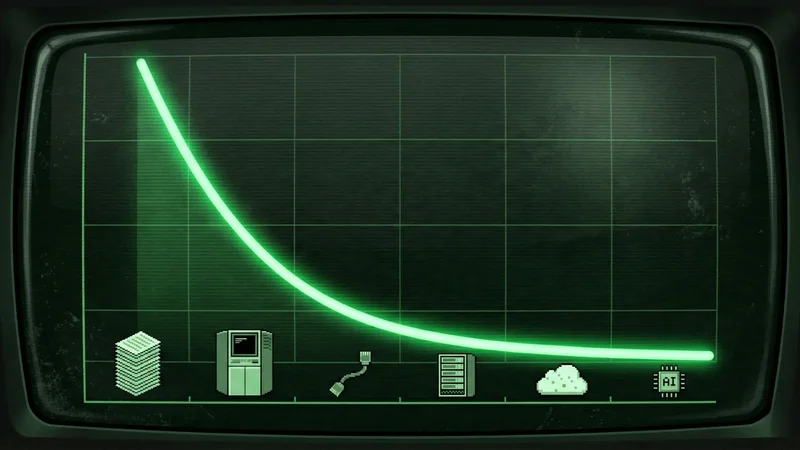

The Real Cost of AI Isn't the Price Tag
The Real Cost of AI Isn’t the Price Tag
Every few months, a new article drops with the same thesis: AI is too expensive, the bubble is about to pop, nobody can sustain these compute bills.
And every time, I think the same thing. These people have never looked at an infrastructure cost curve before.
I’m building CodeGrader, an AI-powered code review tool. I pay for inference. I pay for compute. I watch the bills. The cost is real and I’m not here to pretend otherwise. But I’ve also spent over a decade self-hosting infrastructure, and I’ve watched this exact movie before. The plot doesn’t change. Only the actors do.
The Paper Era
Let me take you back to the 1960s.
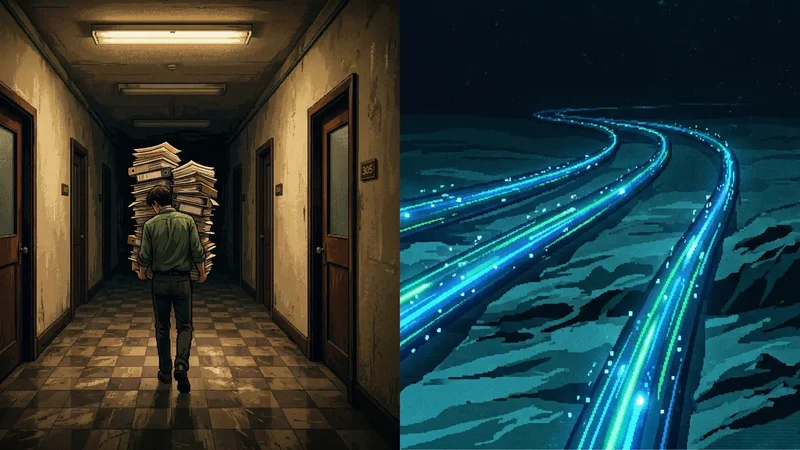
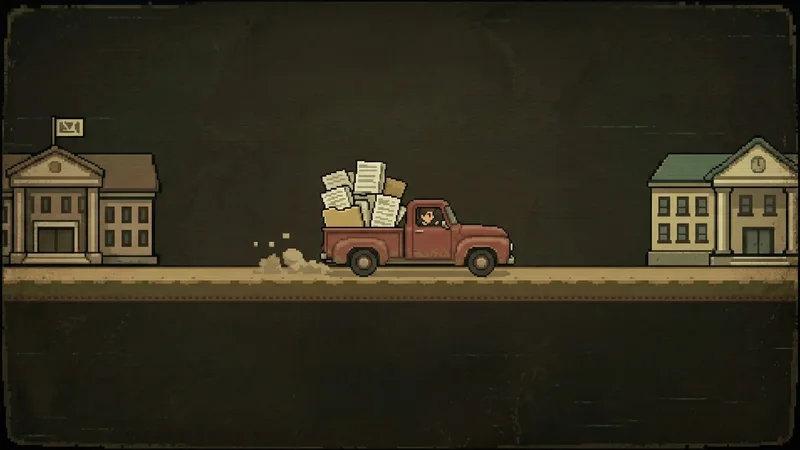
If a researcher at one university needed data from another faculty, the process was exactly what you think it was. Someone physically carried paper across campus.
Stacks of documents. Walked down hallways. Handed over at a desk. Maybe logged in a binder if the department was organized enough.
That was the state of the art for knowledge sharing. Slow, expensive, and limited to whoever could physically show up.
We're not talking about printing costs. We're talking about opportunity cost. Research that could have taken days took months. Collaboration between universities meant mailing physical copies and waiting weeks for responses. Entire fields moved at the speed of postal services. The cost wasn't the paper. It was everything that didn't happen because sharing knowledge required a body in a hallway.
The cost of moving information was so high that most information simply didn’t move.
One Cable Changed Everything
Then someone connected two computers with a cable.
A local network. The cost was high, the tech was unproven, and most people in those buildings didn’t see the point. They had paper. Paper worked. Why fix what wasn’t broken?
But once researchers experienced instant data sharing, once they saw a file appear on a screen that was sitting in another building five seconds ago, there was no going back.
That idea didn’t stay in one building. It spread across departments. Then across campuses. Then across cities. Then someone looked at the Atlantic Ocean and said: “What if we ran a cable across that?”
The Insane Bet
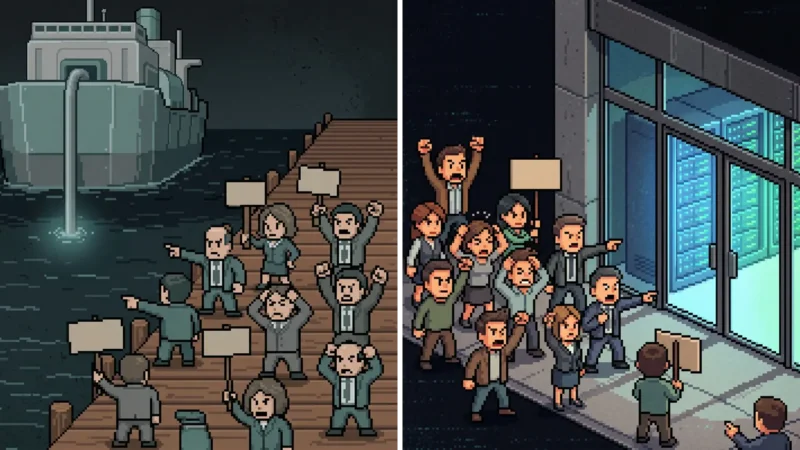
Submarine cables. Chip fabrication plants. Global routing infrastructure. Internet exchange points. Data centers the size of warehouses.
Trillions of dollars poured into something most people couldn’t even visualize. If you told someone in 1985 that the world would spend more on undersea cables than most countries spend on defense, they’d call you delusional.
And yet here we are.
You send virtually unlimited data to the other side of the planet. You video-call someone in Tokyo from your couch in Bologna. You deploy a container to a server in Virginia from a terminal on your laptop. Basically for free.
The infrastructure isn't free. Someone pays for the cables, the peering agreements, the power. But the marginal cost per unit of data transferred collapsed so aggressively that for end users and most businesses, bandwidth is effectively a rounding error. That's the pattern. Infrastructure cost doesn't disappear. It gets amortized across so much usage that it becomes invisible.
The return didn’t just justify the cost. It made the cost look trivial in retrospect.