
How LinkedIn Silently Killed My Reach, Denied It Three Times, and Only Fixed It When I Mentioned GDPR
How LinkedIn Silently Killed My Reach, Denied It Three Times, and Only Fixed It When I Mentioned GDPR
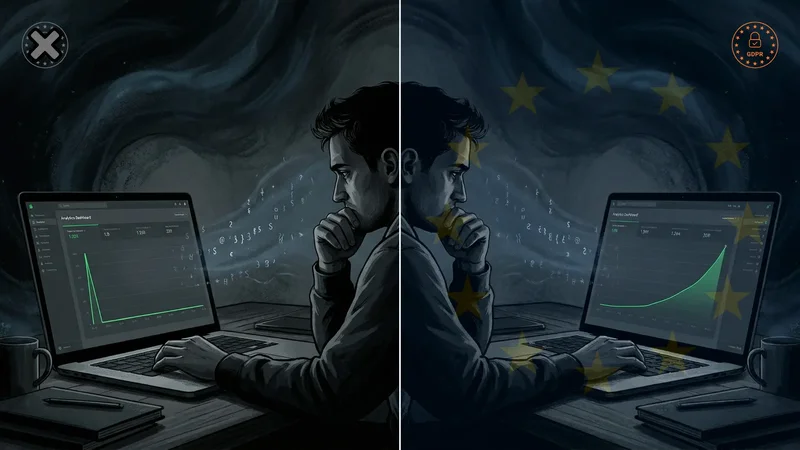
I started posting on LinkedIn about a month ago. First post did almost 10k impressions. Every single post after that? Under 50. For three weeks straight.
This is the story of how a single post with two external links apparently got my account flagged, how LinkedIn support copy-pasted their way through three rounds of “nothing is wrong,” and how a formal GDPR data access request was the only thing that actually moved the needle.

If you’re a developer using LinkedIn to build an audience and your reach suddenly flatlined, this might save you a few weeks of talking to walls.
The Setup
I’m a senior full-stack engineer with 10+ years of experience. I teach programming. I build things. I decided to start sharing opinions on LinkedIn because apparently that’s what you do in 2026.
First post was an opinionated take on developer skills in the AI era. It did well. ~10k impressions, 30+ reactions, 30 comments. Not viral, but solid for a brand new account with barely any connections.
Then I made a mistake.
The Mistake
I published a post containing two external links. Nothing spammy. Just links to relevant content. I deleted the post after a week because it wasn’t performing.
But from the moment I posted those links, everything, slowly but inevitably, died.
Every post I published after that got fewer than 200 impressions. Most got fewer than 50. It didn’t matter what I wrote, when I posted, or what format I used. I was basically invisible.
For context: during this period, I also activated LinkedIn’s free Premium trial. The timing made me suspect Premium was involved. It probably wasn’t. But it was a convenient red herring that cost me a week of debugging the wrong problem.
What I Tried (And What Didn’t Work)
Everything the internet tells you to do:
Paused all activity for 48-72 hours, multiple times -> no effect
Switched to comment-only engagement for days -> no effect
Changed topics, formats, posting times -> no effect
Posted twice a week instead of daily -> no effect
Posted daily instead of twice a week -> you know what? No, sorry, no effect
My comments on other people’s posts were visible. People replied to and liked them. I could log in, send messages, connect to other accounts, do everything a normal account does. But my posts reached nobody, silently.
This wasn’t an algorithm preference issue. This was a 99.5% drop that persisted for three weeks across all content types. That’s not “your content isn’t resonating.” That’s a flag on your account. Luckily, me and my AI agents team are well trained at recognizing this kind of pattern, so I had enough motivation to do what nobody wants to do on social media: open the scary support ticket page.
Round 1: Support Discovers I Exist
I opened a support ticket.
No, wait. How do you even open a support ticket? This kind of UX should be definitely illegal. You basically have to fight an LLM trained to not lead you to the ticket page at all costs. But hey! I’m a nomad warrior, I can win this round.
Once you finally reach the form, you have to pick some random tag for your ticket. Why random? Because none of the choices are relevant to cases that should actually reach support, like mine. So I tried to stay as close as possible to my user flagged issue, and then I went deep in my description.
Claude Opus 4.6, extended thinking. It knows the actual situation (I’m debating with it daily to define my distribution path), so I used it to generate a clear, data-driven, specific issue description:
Hi, my post impressions dropped from 9,479 (first post, 3 weeks ago) to under 50 per post, and haven’t recovered. The drop happened right after I published and deleted a post with 2 external links. Since then, no post has exceeded 200 impressions. I’ve tried pausing activity multiple times — nothing changed. I don’t use automation tools, I haven’t received any policy warnings, and my comments on others’ posts are visible and get replies. The issue seems to be limited to my post distribution only. Could you check if there are any flags or restrictions affecting my account’s post visibility? Thank you, bla bla…